2026 Restaurant Food Price Outlook: What to Expect
Snag TeamPublished 6 min read
After two years of volatile swings, 2026 is shaping up to be a year of moderate but uneven food price inflation. The USDA's Economic Research Service projects overall food-away-from-home prices to rise 3.5-4.5% for the year, lower than the 7%+ spikes of 2023, but still enough to erode margins if you are not paying attention. The challenge is that the average masks wide variation across categories. Some items are getting cheaper. Others are not.
Here is what the data is telling us heading into Q2 2026, broken down by the categories that hit restaurant operators hardest.
Proteins: chicken tight, beef stabilizing, seafood mixed
Chicken
Chicken breast remains the most stressed protein category. HPAI (avian influenza) disruptions in late 2025 thinned the breeder flock, and it takes 10-12 months for supply to fully recover. Boneless skinless breast is hovering around $3.30-$3.60/lb in the Northeast, up roughly 18% from a year ago. Expect elevated prices through at least Q3 2026. Wings have been somewhat insulated because demand shifted away during the price spike, but thigh meat is creeping up as operators substitute away from breast.
Beef
The US cattle herd is at its smallest since 2015, which kept beef prices elevated through 2025. However, the market is showing signs of stabilization as herd rebuilding begins. Ground beef (80/20) has settled into the $4.15-$4.40/lb range for foodservice, and most analysts expect it to stay flat through mid-2026. Prime cuts (strip, ribeye) remain expensive ($14-$18/lb wholesale), but the rate of increase has slowed to 1-2% per quarter.
Seafood
Farmed salmon is one of the brighter spots for operators. Chilean and Norwegian production is up, and Atlantic salmon fillets have dropped to the $8.50-$9.50/lb range from $11+ in early 2025. Shrimp remains affordable at $5-$7/lb for 16/20 count, driven by strong Southeast Asian production. Wild-caught domestic species (halibut, swordfish, Alaskan cod) remain volatile and supply-constrained. Budget for 5-8% increases.
Produce: seasonal swings remain the biggest variable
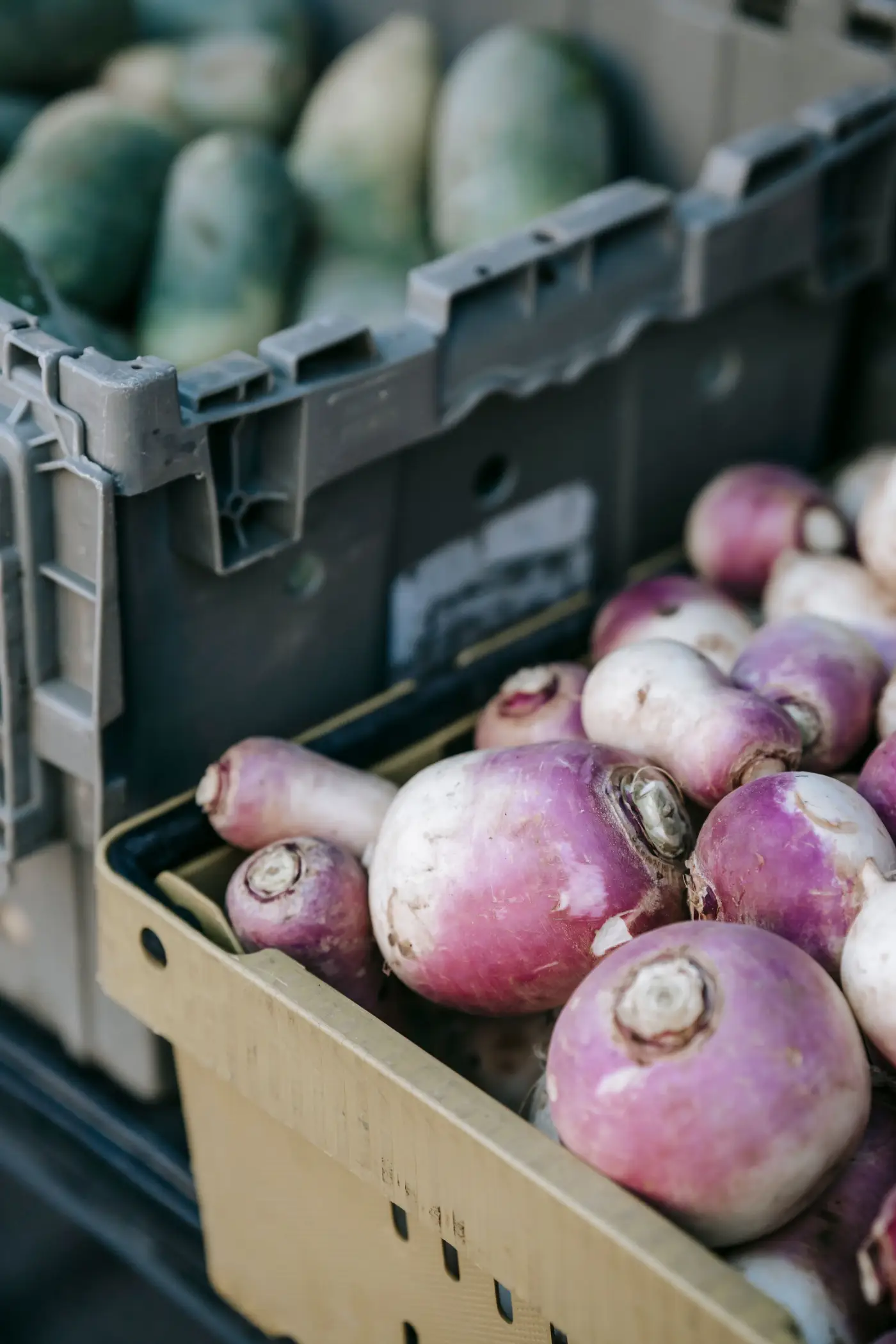
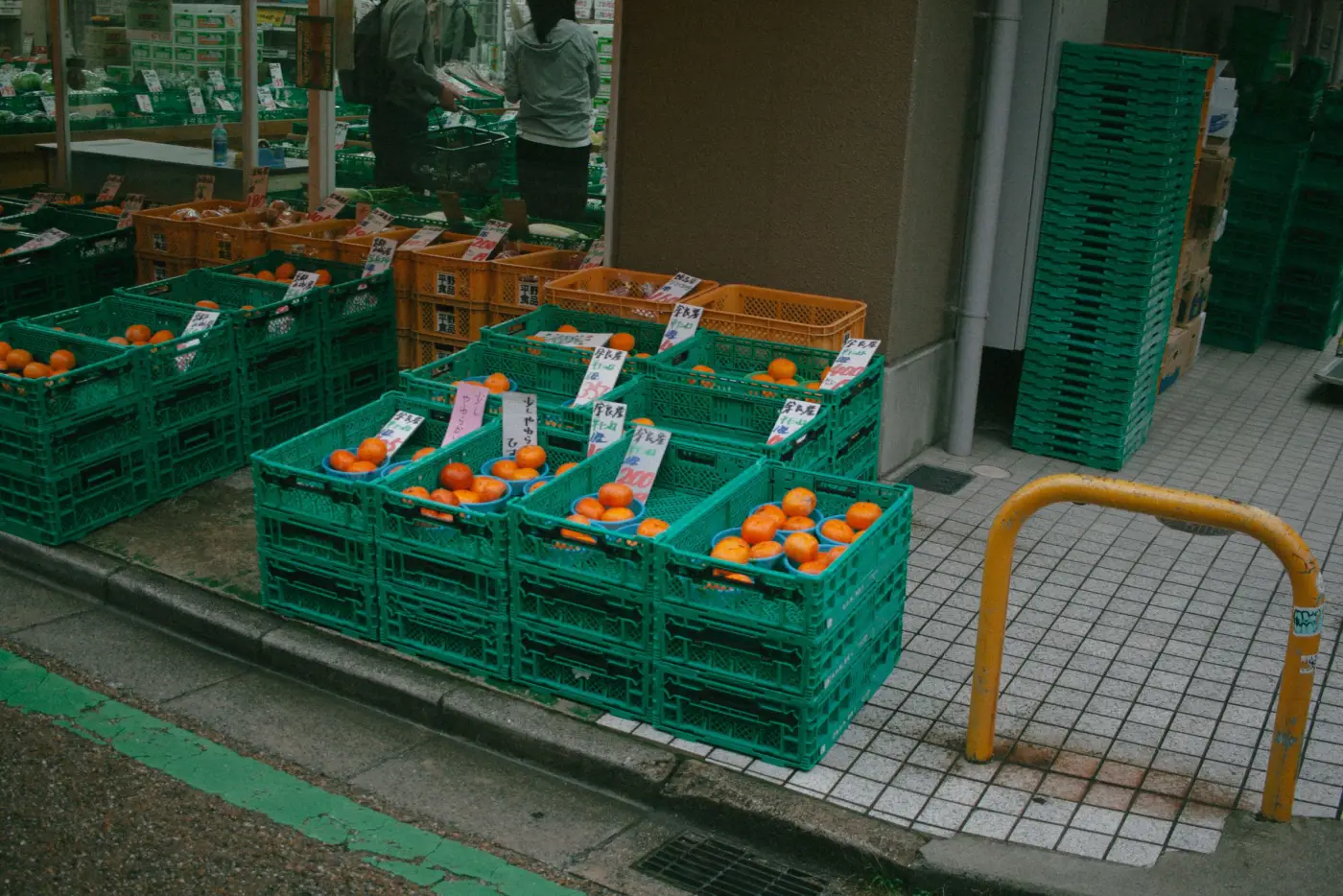
Produce pricing in 2026 is following typical seasonal patterns after two years of weather-driven chaos. California growing conditions have been favorable so far, which is good news for lettuce, tomatoes, and avocados. Romaine is back under $1.50/head after spiking above $2.50 during the 2025 E. coli scare.
The wildcard is avocados. Mexican Hass supply was disrupted by cartel-related export interruptions in Michoacan in late 2025, and prices spiked to $65-$75/case (48ct). Supply has since normalized to $45-$55/case, but the situation remains fragile. If your menu depends heavily on avocados, maintain a backup supplier from Peru or the Dominican Republic.
Dairy and grains: mostly stable, with exceptions
Butter is the dairy item to watch. After spiking to $3.50/lb in Q4 2025 (holiday demand plus tight cream supply), it has come down to $2.80-$3.00/lb. The forecast calls for steady prices through spring, with the usual Q4 uptick. Cheese (mozzarella block) is stable at $2.20-$2.50/lb, which is good news for pizza and Italian concepts.
Flour and grain-based products (bread, pasta) are seeing modest 2-3% annual increases driven by energy costs in milling and transport, not by commodity grain prices. Cooking oils remain a pressure point: soybean oil is up 12% year-over-year and palm oil supply remains constrained by Indonesian export policies. If you are a fry-heavy concept, explore contract pricing with your oil supplier.
Supply chain factors: freight, labor, tariffs
Beyond the raw commodity prices, three macro factors are adding cost pressure across the board:
- Diesel prices are 8-10% above 2025 averages, which flows directly into delivery surcharges. Many broadline distributors have raised fuel surcharges from 3.5% to 5%+.
- Warehouse and driver labor costs continue to climb at 4-6% annually. This gets baked into distributor margins, not shown as a separate line item.
- New tariff proposals on imported food products could add 2-4% to costs on items like olive oil, imported cheese, and canned tomatoes if enacted in the second half of 2026.
How to prepare: five moves to make now
- Digitize every invoice so you can see price movements in real time, not when the monthly P&L is already locked.
- Review your top 20 SKUs by spend and identify which ones are in rising-price categories. Prioritize negotiations or substitutions on those items first.
- Ask suppliers about locking in pricing for Q2-Q3 on chicken, cooking oil, and any import-heavy items.
- Build menu flexibility. Dishes that can rotate proteins or feature seasonal produce give you pricing agility without reprinting menus every month.
- Use Snag's market insights to benchmark your prices against regional averages. If you are paying significantly above the local median on a key item, you have leverage to negotiate or switch.
The restaurants that weather inflationary periods best are not the ones with the lowest prices. They are the ones who see the changes earliest and respond fastest. Tracking your invoices digitally is the foundation for everything else.